

Bristle Alignment Techniques: Ensuring Uniform Lathering Across the Brush Surface
Bristle Alignment Techniques: Ensuring Uniform Lathering Across the Brush Surface
For wet shaving enthusiasts and manufacturers alike, the quality of a shaving brush hinges on one critical factor: its ability to create a rich, uniform lather. Behind this seemingly simple task lies a sophisticated process—bristle alignment. How bristles are arranged, angled, and secured directly impacts lathering consistency, product efficiency, and the overall shaving experience. In this , we explore the key bristle alignment techniques that ensure every inch of the brush surface contributes to a flawless lather.
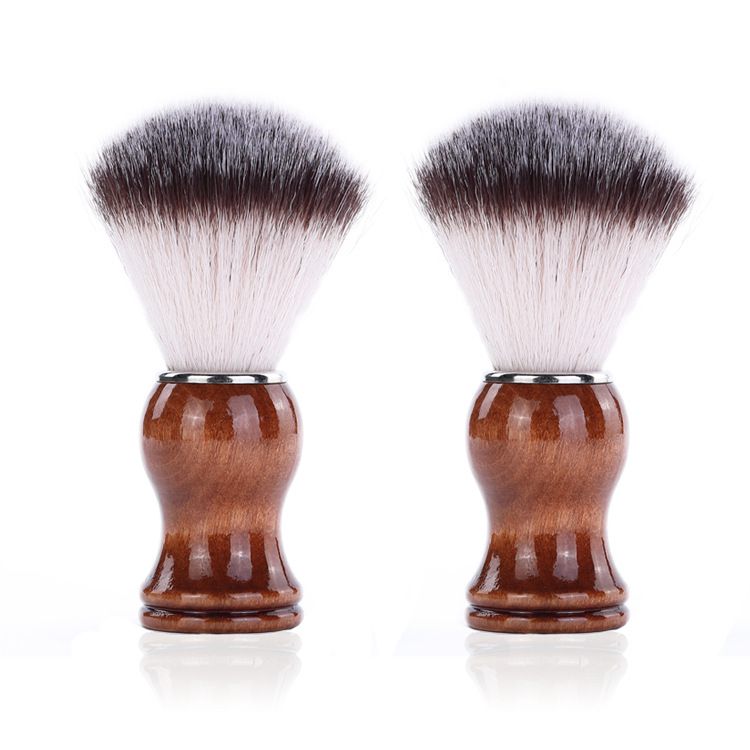
The Importance of Bristle Alignment in Lathering
A shaving brush’s primary role is to whip soap or cream into a dense, creamy lather that softens facial hair and protects the skin. For this to happen uniformly, bristles must work in harmony. Misaligned bristles—whether too sparse in one area, unevenly angled, or varying in length—create "dead zones" where lather fails to form, leading to patchy application, wasted product, and a subpar shave. Conversely, precise alignment ensures each bristle contributes to lather generation, maximizing contact with soap and skin.
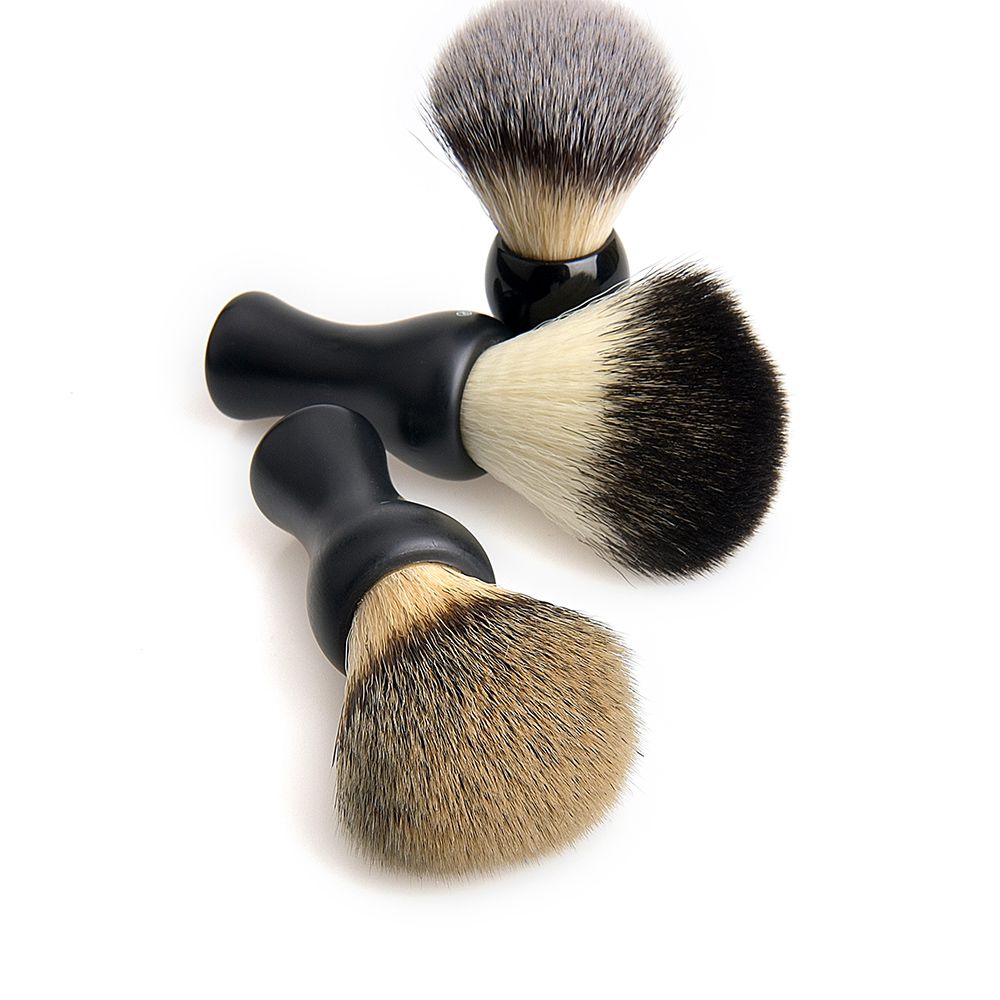
Core Bristle Alignment Techniques

1. Radial Symmetry & Tapered Density
The most common alignment method, radial symmetry, arranges bristles in concentric circles from the brush’s center to its perimeter. This design ensures even distribution of pressure during lathering. To enhance uniformity, manufacturers often employ tapered density: inner bristles are shorter and denser, while outer bristles are longer and slightly more flexible. This gradient prevents "clumping" and ensures the brush face makes consistent contact with the soap碗 or face. For example, a 24mm brush might feature inner bristles at 45mm length and outer bristles at 50mm, creating a gently domed surface that adapts to facial contours.
2. Angled Tip Orientation
Bristle tips, whether natural (like badger or boar) or synthetic, must be oriented to optimize lather pickup and release. Skilled artisans or precision machinery angle tips at 5-10 degrees from vertical, mimicking the natural sweep of a hand during lathering. This angle allows bristles to "scoop" soap efficiently and release lather evenly when pressed against the skin. Synthetic bristles, with their uniform diameter, benefit from laser-cut tip angles, while natural bristles require careful hand-trimming to maintain consistency.
3. Knot Construction & Bristle Tension
The "knot"—where bristles are secured into the brush handle—dictates alignment stability. Traditional hand-tied knots use a "whipstitch" method to cinch bristles tightly, ensuring minimal movement during use. Modern techniques, like injection molding for synthetic brushes, embed bristles in a resin base with pre-calibrated spacing. Both methods aim to eliminate gaps: a well-constructed knot prevents bristle splaying, which can create uneven lather distribution. Tension is key here—too loose, and bristles shift; too tight, and flexibility is lost, reducing lather flow.
4. Material-Specific Alignment
Natural and synthetic bristles demand distinct alignment strategies. Natural bristles, with their irregular diameters and natural taper, require manual sorting to group similar lengths and thicknesses, ensuring uniform density. Synthetic bristles, made from materials like PBT or nylon, offer consistency in length and flexibility, allowing for automated alignment via robotic arms that position each bristle with 0.1mm precision. For hybrid brushes (e.g., natural-synthetic blends), manufacturers often layer synthetic bristles for structure and natural bristles for lather retention, aligning them to balance rigidity and softness.
The Impact on Performance & User Experience
Well-aligned bristles translate to tangible benefits. Uniform lathering reduces soap usage by up to 30%—a key selling point for eco-conscious consumers. It also minimizes irritation: even pressure distribution prevents harsh friction on sensitive skin. For manufacturers, precision alignment reduces quality control issues, such as bristle shedding or uneven wear, enhancing product durability and brand reputation.
Innovations in Bristle Alignment
Advancements in technology are pushing alignment techniques further. 3D scanning now maps bristle clusters to identify density gaps before production, while AI algorithms optimize knot tension based on bristle material and brush size. Some brands are experimenting with "variable angle" alignment, where outer bristles angle slightly outward to reach facial creases, while inner bristles remain vertical for core lather generation.
In the competitive world of shaving tools, bristle alignment is not just a manufacturing detail—it’s the foundation of a superior product. By mastering these techniques, manufacturers ensure that every brush delivers the consistent, luxurious lather that discerning users demand. For consumers, understanding the science behind alignment means investing in a tool that elevates the daily shave from a chore to a ritual.


